





Studying English in Ireland: how it works, real costs, and whether it’s worth it
Over the past few years, Ireland has moved from being an alternative to the UK to becoming one of the main destinations for people who want to study English abroad.
But with popularity comes confusion, mixed information, outdated rules, and unrealistic promises.
This article focuses on the question that really matters:
Is studying English in Ireland actually worth it for you in 2026, under real conditions?
Why Ireland became a top destination to study English
Ireland offers a combination that is especially attractive to international students:
- English is the official language
- The country is safe, welcoming, and multicultural
- Students can study and work legally during their course
Dublin, in particular, has become a European education hub, attracting students from Latin America, Europe, Asia, and the Middle East. That diversity creates a real English-speaking environment, both inside and outside the classroom.
How studying English in Ireland actually works
Compared to many other countries, Ireland’s system is relatively straightforward:
- Students enrol in a government-recognised English course
- Courses usually last at least 25 weeks
- Standard study load is 15 hours per week
- Students are allowed to work up to 20 hours per week during term time
The course is not just a visa requirement. It becomes the centre of the student’s routine, legal status, and integration into Irish life.
How much it really costs to study English in Ireland
This is where many students feel disappointed — mostly because expectations were not set clearly.
Average costs in 2026:
- English course (25 weeks): €2,500 to €4,500
- Monthly cost of living in Dublin: €900 to €1,200
- Health insurance: required (sometimes included by the school)
Ireland is not the cheapest destination in Europe, but it is often more accessible than the UK, Canada, or Australia — especially when legal work opportunities are taken into account.
Can international students work in Ireland?
Yes. English students can work legally in Ireland, provided they:
- Are enrolled in an eligible course
- Respect weekly working hour limits
- Have a PPS number (tax registration)
Most students start in roles such as:
- Cafés and restaurants
- Hotels
- Cleaning services
- Customer support
A job is never guaranteed, but opportunities are real — particularly for students with basic English skills and a professional attitude.
Who Ireland is a good choice for — and who it might not be
Ireland is a good fit if you:
- Want real-life English exposure
- Are comfortable sharing accommodation at first
- Plan to work while studying
- Value international experience
It may not be ideal if you:
- Expect luxury or immediate comfort
- Do not want to work
- Believe English improves only inside the classroom
Studying abroad works best for people who understand that adaptation is part of the process.
How to choose an English school in Dublin
Not all schools offer the same experience. When comparing options, look for:
- Official accreditation
- Clear teaching methodology
- Strong international student support
- Transparent visa guidance
- Location and facilities
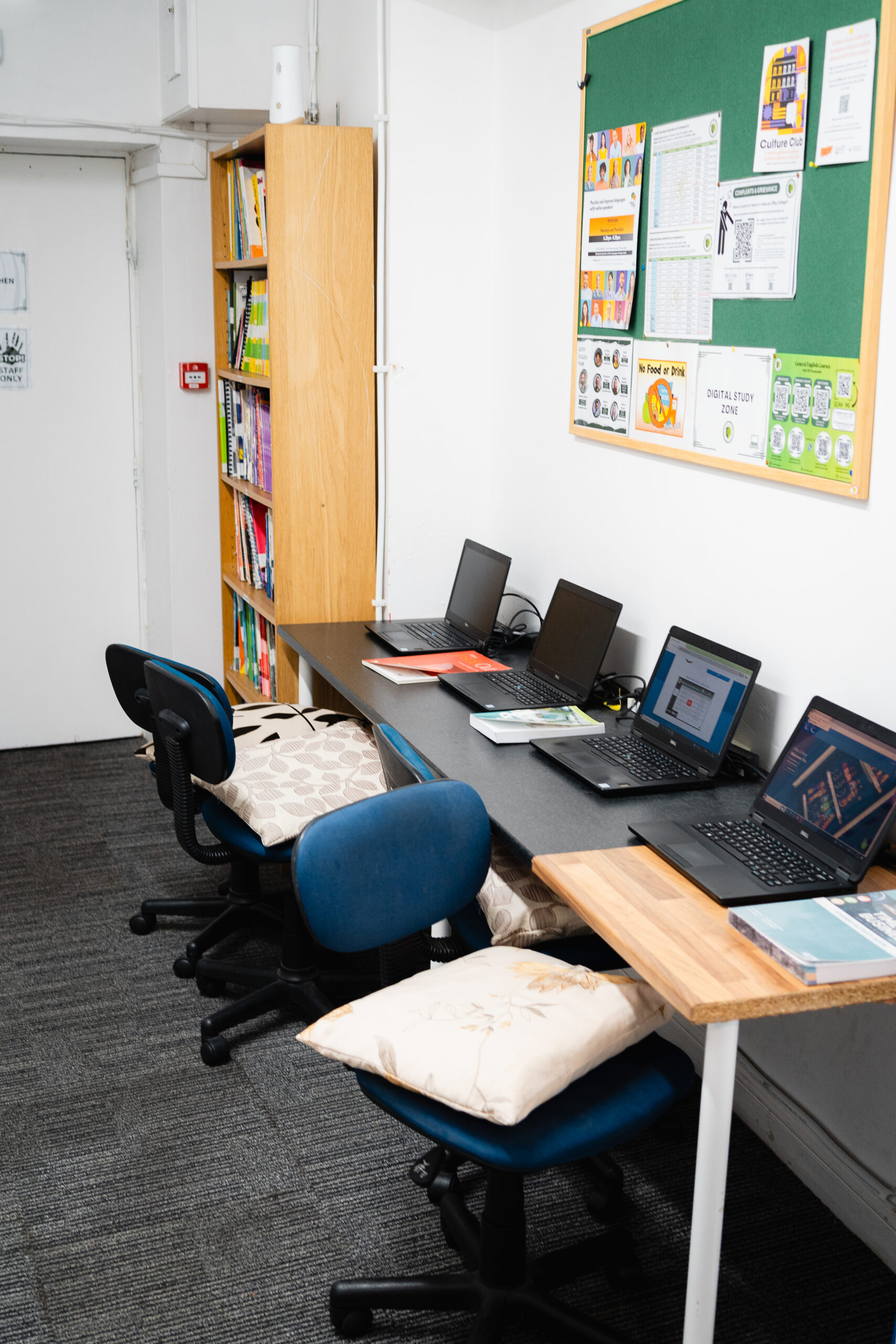
Institutions such as Liffey College often stand out for combining quality education with practical guidance for students arriving in Ireland.
Common questions about studying in Ireland
Can I renew my English course?
Yes, as long as legal requirements and programme limits are respected.
Do I need English before arriving?
No. Courses are available for complete beginners.
Is Dublin the only option?
No, but it is the most popular. Other cities may offer a lower cost of living.