



Educational Approach
- Home
- Educational Approach
Communicative Approach
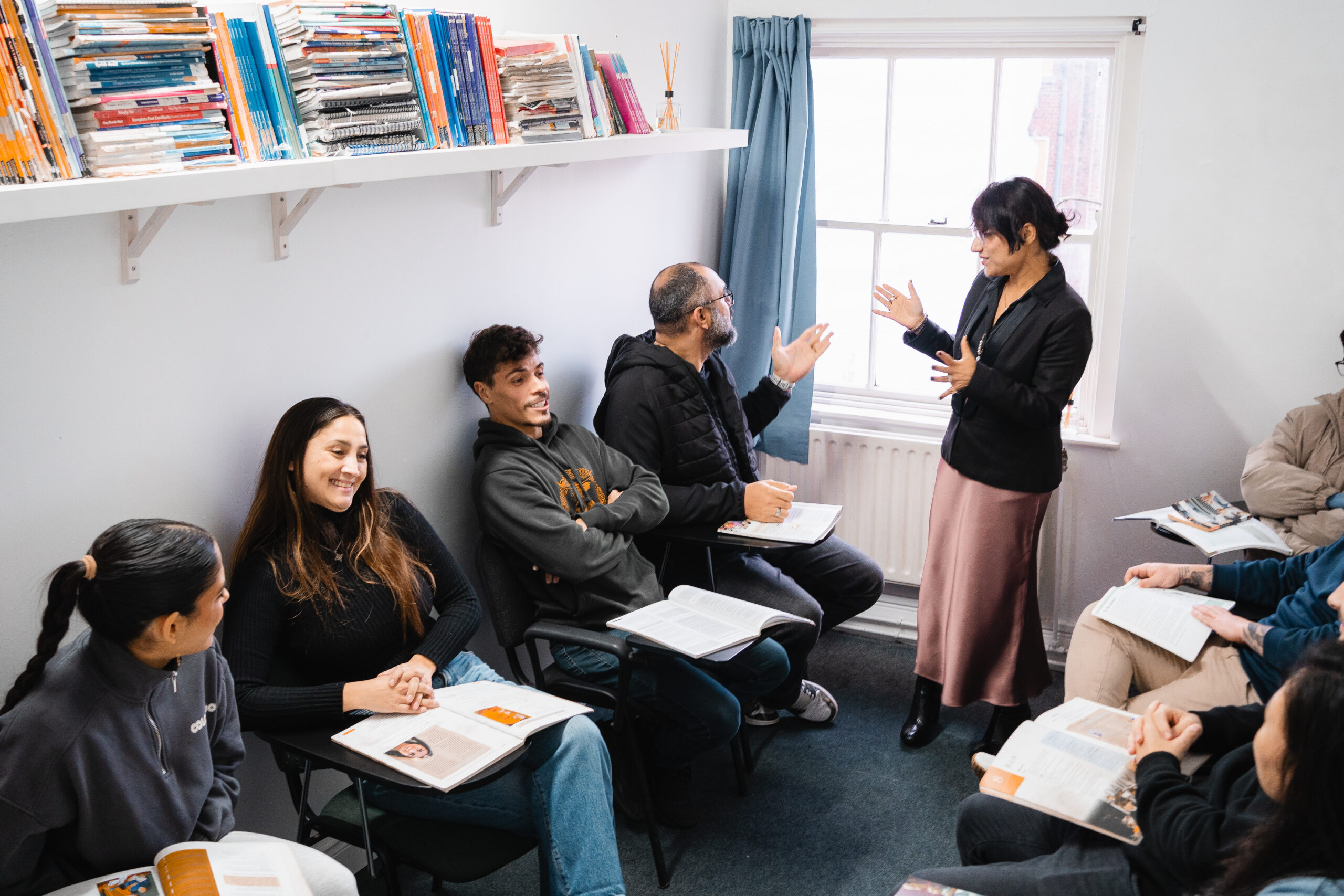
At Liffey College, we follow the Communicative Approach to language teaching. The main focus of the course is to equip and to prepare learners for success in a multicultural, interconnected world. Through dynamic learning experiences that extend beyond the classroom, learners embark on an unforgettable journey of growth and language mastery. To support this, we use a variety of teaching methods, approaches and techniques to cater to different learning styles, including:
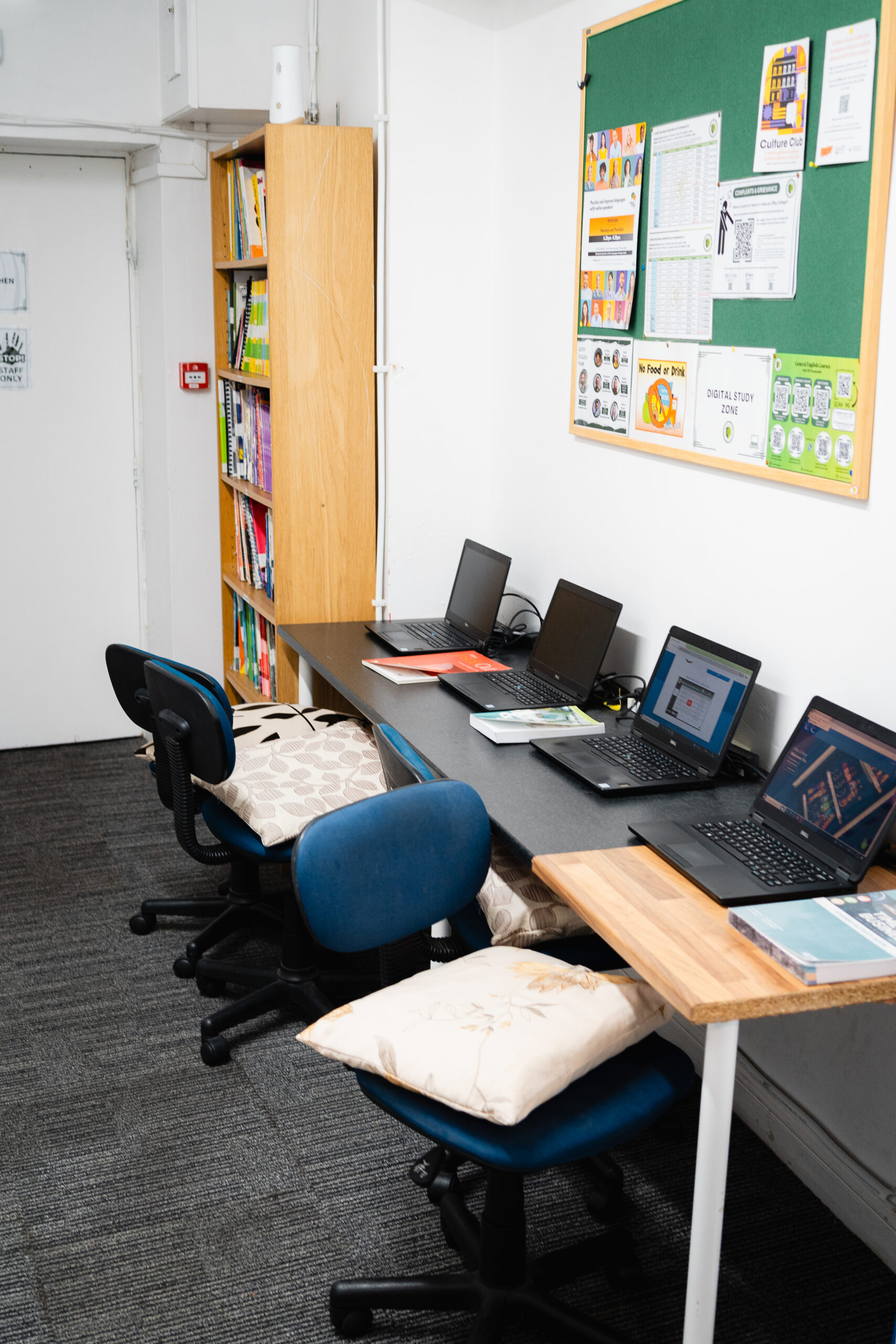
- Flipped Classroom: Since we have all course materials available online, learners can engage with lectures, readings, and other resources outside of class. This allows class time to focus on practical application, discussion, and interactive activities, making learning more active and learner-centered.
- Task-Based Learning: This method encourages learners to engage in meaningful tasks that require the use of language, promoting practical application and enhancing their communicative skills.
- Content-Based Instruction: We integrate subject matter from various disciplines, allowing learners to learn language in context while exploring topics of interest.
- Project-Based Learning: Learners collaborate on projects that require them to use English in a variety of contexts, fostering teamwork and creativity while developing their language skills.
- PPP (Presentation, Practice, Production): A structured approach where new language is introduced, practised in controlled settings, and then produced freely in context.
- TTT (Test, Teach, Test): An approach that assesses learners’ knowledge first, teaches based on the results, and then reassesses to track improvement.
- Guided Discovery: Encourages learners to discover language rules through examples, fostering a deeper understanding of grammar and structure.
- Communicative Language Teaching: This approach emphasises interaction as the primary means of language learning, encouraging learners to communicate effectively through speaking and listening activities.
- Role-Playing and Simulation: These techniques allow learners to practice language in realistic scenarios, enhancing their ability to navigate everyday situations in English.
- Interactive Activities: Group discussions, pair work, and debates encourage active participation and collaboration, allowing learners to express their ideas and opinions freely.
- Authentic Materials: We incorporate real-world resources such as articles, videos, and audio recordings, providing learners with exposure to language as it is used outside the classroom.
- Feedback and Reflection: Regular feedback sessions and self-reflection exercises help learners assess their progress and identify areas for improvement, fostering a continuous learning environment.
By integrating these methods within the Communicative Approach, we create an engaging and supportive atmosphere that motivates learners and equips them to communicate effectively in English.
Shruti Sharma
EFL Director of Studies
At Liffey College, we use the Communicative Approach to prepare learners for real-world English.
Classes focus on interaction, practical tasks, and collaboration, supported by methods like flipped classroom, task- and project-based learning, role-play, guided discovery, and authentic materials. Regular feedback and reflection help learners track progress and improve.
Our approach creates an engaging, supportive environment that builds confidence and effective communication skills in English.